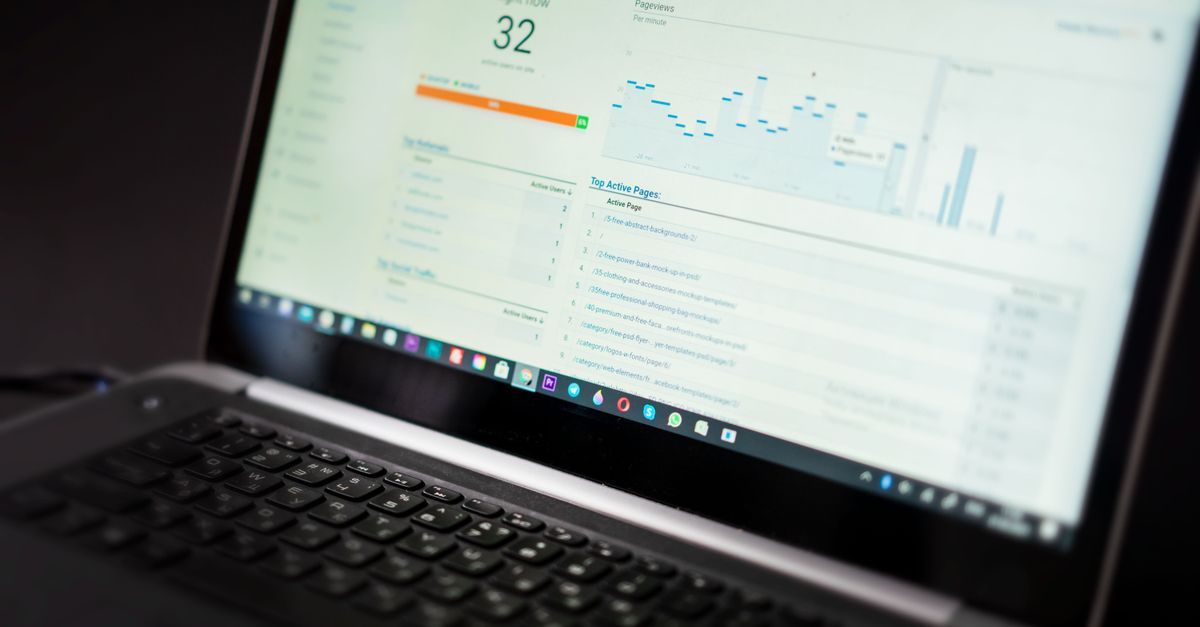
Technical SEO is the foundation of any e‑commerce strategy, and in the WooCommerce environment in 2024 it directly impacts conversion and revenue. In this article we present a practical process for calculating ROI of technical SEO for WooCommerce 2024, from defining implementation costs to measuring results using proven tools.
Why is ROI of technical SEO for WooCommerce 2024 critical?
Decision‑makers and developers must justify every expense. ROI of technical SEO for WooCommerce allows you to assess whether server optimizations, URL structure, or Core Web Vitals translate into real revenue. In 2024, when Google rewards speed and stability, measuring ROI becomes an integral part of project budgeting.
1. Defining the costs of implementing technical SEO for a WooCommerce store
The first step is to gather all costs, which can be divided into three groups:
- Human costs – salaries of developers, DevOps specialists, SEO consultants.
- Infrastructure costs – servers, CDN, SSL certificates, paid plugins (e.g., WP Rocket, Perfmatters).
- Tool and training costs – subscriptions to Lighthouse, GTmetrix, Ahrefs, team training.
For example, the monthly cost of maintaining an optimized environment can range from a few to several thousand PLN, depending on the store’s scale.
2. Choosing key metrics to measure the effectiveness of technical e‑commerce SEO
Not all indicators affect revenue equally. We focus on those that have a proven impact on conversion:
- Core Web Vitals – LCP (Largest Contentful Paint), FID (First Input Delay), CLS (Cumulative Layout Shift).
- Average Page Load Time – influences bounce rate.
- Conversion Rate (CR) – the most important revenue metric.
- Average Order Value (AOV) – UX changes can increase this value.
After each optimization, measure these metrics before and after implementation to have a comparison baseline.
3. Tools for analyzing WooCommerce SEO ROI
We collect data using a mix of free and paid solutions. Here are proven toolsets:
Google Search Console– monitors visibility changes and CTR.Google Analytics 4– tracks revenue, CR, and user behavior.PageSpeed Insights / Lighthouse CI– automated Core Web Vitals reports.GTmetrix API– detailed page load time measurements.Ahrefs / Semrush– analysis of organic traffic and rankings.
Data from these tools are combined into a simple spreadsheet or a dedicated dashboard to obtain a clear picture of ROI.
4. ROI calculation – step by step
The ROI formula remains classic: (Net profit / Investment cost) * 100%. In the context of technical SEO we need to translate the impact of optimizations into revenue:
Revenue before optimization = Σ (number of transactions * AOV) in the baseline period
Revenue after optimization = Σ (number of transactions * AOV) in the post‑implementation period
Net profit = Revenue after optimization - Revenue before optimization - Implementation cost
ROI = (Net profit / Implementation cost) * 100%
In practice we most often compare conversion rates before and after optimization. If CR rises by 5 % with constant traffic and the average monthly revenue is 200 000 PLN, the additional revenue is 10 000 PLN. With an implementation cost of 15 000 PLN, ROI equals (10 000‑15 000)/15 000 * 100% = -33 % – meaning the project did not pay off in the short term, but may deliver a positive return over a longer horizon.
5. Practical example and checklist
Below we present a scenario for a medium‑size WooCommerce store (≈5 000 products, 80 000 monthly sessions).
// Sample plugin code for collecting LCP
add_action('wp_footer', function() {
    echo 'new PerformanceObserver((list) => {
        for (const entry of list.getEntries()) {
            if (entry.name === "largest-contentful-paint") {
                fetch("https://example.com/api/lcp", {
                    method: "POST",
                    body: JSON.stringify({value: entry.startTime})
                });
            }
        }
    }).observe({type: "largest-contentful-paint", buffered: true});';
});
Checklist after implementing technical SEO:
- Core Web Vitals audit before and after changes (LCP < 2.5 s, FID < 100 ms, CLS < 0.1).
- Verification of structured data correctness (schema.org) and sitemap.
- Server response time validation (TTFB < 200 ms).
- Performance testing on mobile and desktop devices.
- Updating monitoring in Google Analytics – conversion goals, e‑commerce.
6. Common Mistakes and Trade‑offs When Implementing Technical SEO
In practice we encounter several pitfalls that can undermine the expected ROI:
- Excessive resource size minimization – removing certain scripts may cause loss of functionality and a drop in conversions.
- Ignoring platform specifics – WooCommerce relies on REST API and Ajax; some server optimizations can disrupt asynchronous requests.
- Lack of A/B testing – UX changes should be validated to avoid decreasing the time on page metric.
- One‑off measurements – ROI requires long‑term monitoring, at least 3‑6 months after implementation.
When weighing trade‑offs, it’s wise to set priorities: first improve the most critical metrics (LCP, TTFB), and only then address less critical elements such as WebP image optimization.
“Investing in technical SEO is not a one‑time expense but an ongoing optimization process that, with proper measurement, pays off repeatedly.”
In summary, accurately defining costs, selecting the right metrics, using proven tools, and systematic data analysis enable you to calculate a realistic ROI for technical SEO on WooCommerce in 2024. If you need assistance with an audit, optimization implementation, or building an ROI dashboard, our team at Coderia.it is ready to help – contact us to discuss collaboration details.